
Why Do I Like to Wear Diapers as an Adult?
If you have ever sat alone with the quiet question, “Why do I like wearing diapers?”, you are not broken, strange, or alone. This is one of the most common questions people bring to ABDL therapy, and it is usually wrapped in a tangle of curiosity, relief, confusion, and sometimes shame. The truth is that wearing diapers as an adult has real, understandable psychological roots, and millions of people around the world quietly share this experience. In this article we will explore the most common reasons behind this attraction, what the research and clinical experience actually say, and how you can move from worry toward genuine self-understanding and peace.
The Short Answer
You likely enjoy wearing diapers for one or more of a few well-understood reasons: they create a powerful sense of comfort and safety, they allow you to relax and let go of adult pressure, they connect to feelings of being cared for, and for some people they are simply a soothing physical sensation. For a portion of the community, diapers are also tied to age regression or a “little” identity. None of these reasons mean something is wrong with you. Liking diapers is a harmless preference shared by a large, diverse community of healthy adults, and it can fit comfortably into a balanced and happy life.
What Does It Mean to Be a Diaper Lover or Adult Baby?
The ABDL community is an umbrella that covers a spectrum of people. Understanding where you fall can help your question feel less mysterious.
A Diaper Lover (DL) is someone who enjoys wearing and sometimes using diapers, primarily for the physical and emotional comfort they bring. Diaper lovers often appreciate the warmth, the security, and the relaxing sensation without necessarily wanting to take on a childlike role.
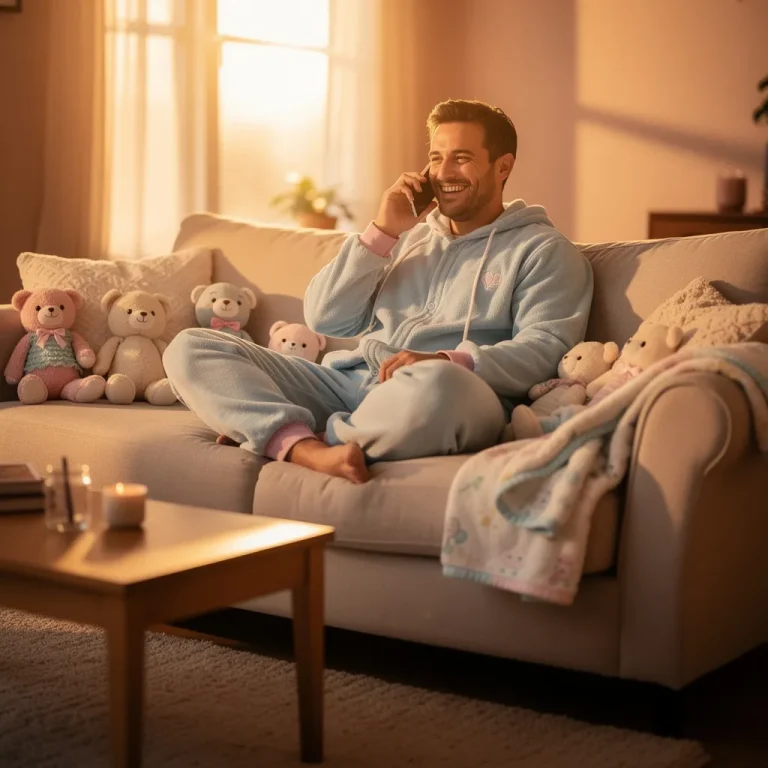
An Adult Baby (AB) is someone who, in addition to enjoying diapers, finds comfort in stepping into a younger, more carefree headspace. This might include things like soft blankets, stuffed animals, pacifiers, or simply allowing themselves to feel small and looked after. This mental shift is often called little space, and it can be deeply calming.
Many people are a blend of both, and your place on this spectrum may shift over time. There is no “correct” way to be ABDL. The label matters far less than understanding what the experience gives you.
Why Do I Like Wearing Diapers? The Real Psychological Reasons
When people ask “why do I like wearing diapers,” they are usually hoping for a single, clean explanation. In reality, it is almost always a combination of factors that overlap and reinforce one another. Here are the most common ones we see.
Comfort and a sense of safety
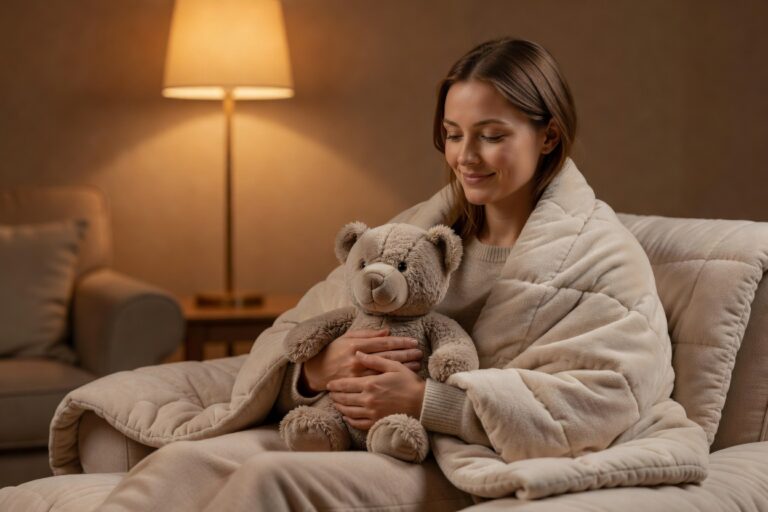
For a huge portion of the community, the core appeal is comfort. A diaper is soft, warm, snug, and present against the body in a consistent, reassuring way. The human nervous system responds powerfully to gentle, enveloping pressure, which is part of why weighted blankets and swaddling are soothing. A diaper can produce a similar grounding, contained feeling. When the world feels overwhelming, that physical reassurance becomes an anchor.
Permission to relax and let go
Adulthood demands constant vigilance. You are expected to be responsible, productive, composed, and in control at all times. Wearing a diaper can symbolize, and physically allow, a temporary release from that pressure. For many people it is one of the only times they feel permission to stop performing and simply be. This is not about avoiding life. It is about giving the nervous system a genuine rest, which is something every human needs.
A wish to feel cared for
Diapers are deeply associated with being looked after. Even when no other person is involved, the act can tap into a longing to feel nurtured, protected, and unconditionally accepted. This is a profoundly human need that does not disappear in adulthood. Many people in caretaking roles, or those who grew up needing to be strong and independent very early, find that ABDL gives them access to a tenderness they rarely receive elsewhere.
Stress relief and emotional regulation
Many people notice that the urge to wear is strongest during periods of high stress, anxiety, or burnout. That is not a coincidence. ABDL activities can function as a self-soothing tool, lowering the body’s arousal and helping the mind settle. Used in a balanced way, this is a legitimate and effective coping strategy, no different in principle from someone who runs, journals, or meditates to decompress.
Age regression and a younger headspace
For some, diapers are part of a broader experience of mentally setting down adult worries and entering a simpler, more playful, more innocent state. This is known as age regression, and it can be a healthy, restorative practice. The diaper becomes a doorway into that softer place where curiosity, comfort, and rest take over from obligation and analysis.
A simple physical preference
Sometimes the explanation really is straightforward. Some people simply enjoy how a diaper feels, in the same way others enjoy soft fabrics, warm baths, or a particular texture. Not everything needs a deep narrative. A sensory preference can be reason enough.
Where Does This Interest Come From?
One of the most frequent follow-up questions is about origins. People want to know whether something in their past “caused” this. The honest answer is that researchers do not fully know, and the cause is likely different for different people. A few patterns appear often, but none of them are universal or required.
- For some, the interest appeared very early, long before adolescence, and feels like a stable part of who they have always been.
- For others, it developed later, sometimes in response to stress, life transitions, or a discovery of how soothing the experience felt.
- Some connect it to a childhood that demanded early independence, where the need for comfort went unmet and resurfaced later in a new form.
- For many, there is simply no identifiable trigger at all, which is completely normal.
It is important to clear up a damaging myth: being ABDL is not evidence of trauma, and it does not mean something went wrong with you. Plenty of ABDLs had warm, secure childhoods. The interest exists across all kinds of life stories. Searching endlessly for the “why” can sometimes become a way of looking for permission to accept yourself. You do not need that permission. You are allowed to enjoy what comforts you, full stop.
Is It Normal to Like Wearing Diapers as an Adult?
Yes. It is far more common than most people realize, precisely because almost everyone keeps it private. The community spans every age, gender, profession, relationship status, and background. Doctors, teachers, engineers, parents, and retirees are all part of it. The reason it feels rare is stigma, not actual rarity.
From a mental health standpoint, an interest like this is only considered a clinical concern if it causes significant distress, interferes with daily functioning, or involves non-consenting people. A private, consensual preference enjoyed by an adult does not meet that bar. In other words, liking diapers is not a disorder. It is a variation in how a person finds comfort. If you want to dig deeper into this, our article on whether being ABDL is normal walks through the question in detail.
Why Do I Feel Shame About This?
If understanding the reasons did not erase the discomfort, that is normal too. Shame around ABDL rarely comes from the interest itself. It comes from absorbing a culture that treats anything involving diapers, vulnerability, or childlike comfort as embarrassing or taboo. You were taught, directly and indirectly, that adults are supposed to be tough and self-sufficient. So a desire for softness can feel like a personal failing, even though it is nothing of the kind.
The most effective way to reduce that shame is not to fight the interest but to understand it, normalize it, and place it in proportion. When you see your attraction to diapers as a comprehensible, harmless source of comfort, the secret loses its power to hurt you. Our guide on how to handle ABDL shame and guilt offers practical, compassionate steps for working through these feelings.
What About Arousal? Is That Part of It?
This is a fair question to address calmly and without shame. For some adults, the experience is purely about comfort and emotional regulation. For others, there can be a layer of physical arousal involved, especially earlier in their discovery. Both are common, and neither is a problem when everything stays between consenting adults and inside your own private life.
The psychology here is not unusual. The brain frequently links comfort, relief, and physical sensation, and those wires can overlap. Many people also notice that the arousal aspect fades over time while the comfort and emotional meaning grow stronger and more central. Whatever your personal mix is, the healthy approach is the same: keep it consensual, keep it private, and let it be one part of a full life rather than a source of self-judgment. There is nothing about this that makes you a bad person.
How Can I Make Peace With Liking Diapers?
Moving from “Why do I like wearing diapers?” to “I understand and accept this part of me” is a process, and it is absolutely achievable. Here are steps that genuinely help.
- Stop interrogating yourself. You can acknowledge the interest without demanding a perfect explanation. Acceptance does not require a verdict.
- Reframe it as comfort, not deviance. Every time the old judgment surfaces, remind yourself that you are simply someone who finds peace in a particular way.
- Keep it balanced. ABDL becomes healthiest when it sits alongside relationships, work, hobbies, and rest rather than replacing them.
- Connect with the community. Discovering how ordinary and widespread this is can dissolve years of isolation in a short time.
- Talk to someone who understands. A knowledgeable, nonjudgmental professional can help untangle shame far faster than going it alone. Our ABDL-affirming counselors specialize in exactly this.
Frequently Asked Questions
Does liking diapers mean I had a difficult childhood?
No. While some people connect their interest to early experiences, many ABDLs had stable, loving childhoods with no identifiable trigger at all. The interest exists across every kind of life story, and it is not proof of trauma or anything being wrong with your upbringing.
Can I stop liking diapers if I want to?
For most people, the interest is a stable part of who they are and does not simply disappear. The good news is that you do not need to eliminate it to be happy. Most people find far greater peace by understanding and integrating the interest than by trying to suppress it, which usually only increases distress.
Is wearing diapers as an adult unhealthy?
No. As long as you practice good hygiene and change regularly, wearing diapers is physically safe. Emotionally, it is a healthy coping and comfort tool for many people. It only becomes a concern if it causes you serious distress or crowds out the rest of your life, in which case support can help restore balance.
Should I tell my partner about this?
That is a personal choice, but honesty often deepens intimacy when approached with care. Many partners respond with curiosity and acceptance once they understand it is about comfort and self-soothing. A counselor experienced with ABDL can help you plan a conversation that feels safe and clear.
Whatever brought you to this question, please know that your desire for comfort is human, your curiosity is healthy, and you deserve to understand yourself with kindness rather than fear. Liking diapers does not define your worth or your character. It is simply one of the
Talk to Someone Who Understands
You do not have to figure any of this out alone. The counselors at ABDL Therapy have personal or family experience with this community, and there is no judgment, only support to help you embrace, understand, and live your best life.
Call (888) 771-2235
Available 24/7. Sessions from $22. Completely confidential.