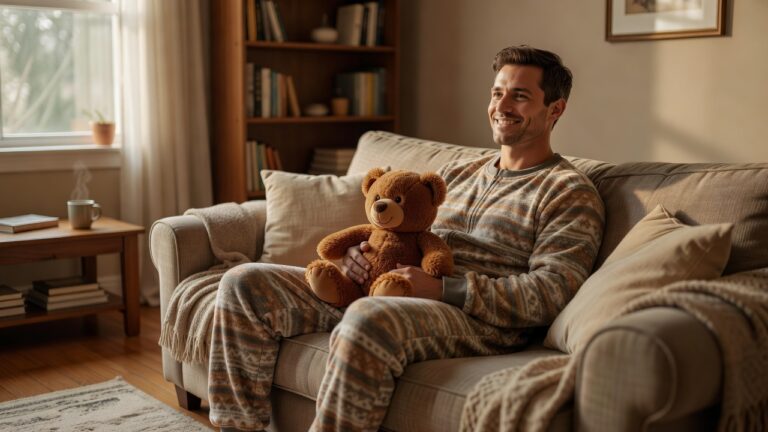

What Is Little Space and How Do You Get Into It?
If you have ever felt a warm, gentle shift inside you, a softening where your worries fade and you feel younger, lighter, and free, you may have experienced what the ABDL community calls little space. Maybe you found it by accident while holding a stuffed animal or watching a favorite cartoon, and now you want to understand it, return to it, or simply know whether it is normal. The real question underneath “what is little space” is usually this: what is happening to me, why does it feel so good, and how do I get there on purpose? This guide answers all of that with warmth and zero judgment.
The Short Answer: What Is Little Space?
Little space is a relaxed, headspace-like state of mind in which an adult mentally and emotionally shifts into a younger, more carefree mindset. When you are “in little space,” you set down adult stress, responsibility, and over-thinking, and you allow yourself to experience the world with the openness, comfort, and playfulness associated with a much younger self. It is a form of age regression, and for most people it is soothing, restorative, and completely non-sexual.
You get into little space by lowering your guard and giving your nervous system cues of safety: cozy clothing or a diaper, comfort items like a stuffed animal or pacifier, familiar shows or activities, soft lighting, and the freedom to not be “grown up” for a while. For some it happens instantly and naturally, and for others it takes practice, patience, and the right environment. Little space is not something you force. It is something you allow.
Where Does Little Space Come From?
Little space is closely tied to age regression, the experience of mentally returning to a younger emotional state. Humans naturally shift between different mindsets all day long. The version of you in a serious meeting is not the same version that laughs with old friends or curls up under a blanket on a rainy afternoon. Little space takes that natural fluidity and turns it into a deliberate, comforting retreat.
For many people in the ABDL community, little space connects to a deep need for comfort, safety, and emotional release. Modern adult life rarely gives us permission to feel small, cared for, and free of pressure. Little space creates a protected space (literally and emotionally) where those needs can be met. If you want a deeper look at the psychology involved, our guide to age regression explains the difference between voluntary regression like little space and involuntary trauma responses.
It is worth saying plainly: little space is not childish, broken, or a sign that something is wrong with you. It is a coping and comfort tool, similar to meditation, journaling, or any other practice that calms the nervous system. The main difference is the form it takes.
What Does Being in Little Space Feel Like?
Everyone experiences little space a little differently, but there are common threads. People often describe it as a warm, floaty, soft feeling, like the mental equivalent of being wrapped in a blanket. The constant background noise of adult worry quiets down. Time slows. Small things, a favorite snack, a cuddly toy, a silly show, feel genuinely delightful in a way they would not when you are in full adult mode.
Common signs you have slipped into little space include:
- Feeling younger, lighter, or more carefree than your usual adult self
- A strong desire for comfort items like a stuffed animal, blanket, pacifier, or diaper
- Less interest in or capacity for complex adult thinking and decision-making
- Simpler, more emotional, sometimes more affectionate speech and behavior
- A genuine sense of safety, calm, and emotional release
Little space exists on a spectrum. Some people experience a light version where they simply feel cozy and playful while staying fully aware and functional. Others experience a deeper version where their adult mindset recedes significantly and they really do feel like a much younger version of themselves. Neither is better or worse. It is about what feels right and safe for you.
Is Little Space the Same as Being an Adult Baby or Diaper Lover?
Not exactly, though they often overlap. ABDL is an umbrella that includes adult babies (who enjoy fully embracing a young, dependent role) and diaper lovers (who primarily enjoy the comfort and feeling of wearing diapers). Little space is the mental state of age regression that many, but not all, ABDL people experience.
An adult baby may enter little space as part of their experience. A diaper lover might wear a diaper purely for comfort without ever feeling younger inside. And some people experience little space without identifying strongly with either label. There is no single correct combination. If you are still sorting out where you fit, that is completely normal, and our article on whether being ABDL is normal can help put your mind at ease.
How Do You Get Into Little Space?
Getting into little space is a skill of allowing, not forcing. The harder you chase it, the more it tends to slip away, much like trying to fall asleep. The goal is to create the right conditions and then let your mind drift there naturally. Here is a practical, step-by-step approach.
1. Create a safe, private environment
Little space requires safety. Choose a time and place where you will not be interrupted, judged, or rushed. Turn off work notifications. Lock the door if that helps you relax. Knowing you have privacy and time removes the biggest barrier most people face: the fear of being caught or judged.
2. Set the mood with sensory cues
Your senses are powerful doorways. Soft lighting, cozy temperatures, comfortable clothing, and gentle background sounds all signal safety to your nervous system. Many people dim the lights, put on soft music or a familiar show, and get into comfortable clothing or a diaper. These cues tell your brain, “we are safe now, you can relax.”
3. Gather your comfort items
Comfort objects are anchors. A favorite stuffed animal, a soft blanket, a pacifier, a sippy cup, coloring supplies, or anything that feels nurturing can help. You do not need an expensive collection. Even one beloved item can be enough. Hold it, snuggle it, and let yourself enjoy it without analyzing whether you “should.”
4. Engage in little activities
Activities pull you in gently. Coloring, watching cartoons or comforting shows, building with blocks, reading simple picture books, or playing easy games all invite your mind to soften. The key is to choose activities that are low-pressure and genuinely enjoyable to you, not what you think little space “should” look like.
5. Let go of self-judgment
This is the most important and most difficult step. If part of your mind is criticizing you or feeling embarrassed, it keeps you anchored in adult tension. Allowing little space means giving yourself genuine permission to feel small and cared for without shame. If shame is blocking you, our resource on moving past ABDL shame and guilt offers practical, compassionate tools.
6. Be patient and practice
For some people, little space arrives quickly. For others, especially those who are guarded or new to the experience, it can take many tries. That is normal. Treat each session as practice rather than pass-or-fail. Over time, your mind learns the path and the shift becomes easier and more reliable.
What If I Cannot Get Into Little Space?
If little space feels impossible to reach, you are not doing anything wrong, and you are not “less” of an ABDL. Several common factors can block the experience.
Stress and hypervigilance are the biggest culprits. If your body does not feel safe, your mind will not let its guard down. Lingering shame is another major blocker, because part of you stays braced against self-criticism. Trying too hard also backfires, since little space is a state of surrender, not effort. And sometimes the environment simply is not right yet, whether due to lack of privacy, interruptions, or missing comfort cues.
It also helps to remember that not everyone experiences little space, and that is completely valid. You can be a deeply fulfilled diaper lover or ABDL without ever regressing mentally. Little space is one possible part of the experience, not a requirement.
Is Little Space Healthy?
For the vast majority of people, yes. Little space functions as a healthy form of stress relief, emotional regulation, and self-care. It can lower anxiety, provide comfort, help process difficult feelings, and restore a sense of inner calm. Many people leave a little space session feeling refreshed, lighter, and more able to handle adult life.
Little space becomes worth examining only when it stops serving you. If you find yourself using it to completely avoid responsibilities you need to face, if you feel you cannot cope at all without it, or if it leaves you feeling worse rather than restored, those are signs to look closer. In those situations, talking with someone who understands the ABDL community can be invaluable. Our ABDL-affirming counselors help people understand their needs and build a balanced, healthy relationship with little space and the rest of their lives.
How Do You Come Out of Little Space?
Coming back to your adult self should be gentle, never jarring. Give yourself a transition period rather than snapping back instantly. Slowly set down your comfort items, sit up, stretch, and have a glass of water or a small snack. Some people find it helpful to do a simple grounding activity, like naming a few things they need to do next or stepping into a different room.
It is common to feel a little vulnerable or tender right after little space, sometimes called “drop.” Be kind to yourself during this window. Rest, hydrate, and avoid jumping straight into a stressful task. Having a comforting routine for re-entry makes the whole experience feel safer and more sustainable.
Frequently Asked Questions
What is little space in simple terms?
Little space is a calm, comforting mindset where an adult sets down stress and responsibility and allows themselves to feel younger, softer, and free. It is a form of voluntary age regression used for comfort and emotional relief, and it is completely non-sexual for most people who experience it.
Do you have to wear diapers to be in little space?
No. Diapers are a comforting anchor for many ABDL people, but little space is a mental state, not a physical requirement. You can reach it with a stuffed animal, cozy clothes, a familiar show, or any comfort cue that helps you feel safe and relaxed.
Why can I not get into little space?
The most common reasons are stress, lingering shame, lack of privacy, and trying too hard. Little space is a state of allowing rather than forcing. Creating a genuinely safe environment, removing distractions, and letting go of self-judgment usually makes it much easier over time.
Is experiencing little space normal?
Yes. Many people experience age regression and little space, and it is a healthy, natural way to find comfort and relief. It does not mean anything is wrong with you. It simply means you have found a meaningful way to care for your emotional needs.
Wherever you are on your journey, understanding little space is a gift you give yourself. It is not something to fear or hide. It is a gentle, restorative part of who you are, and learning to enter it with safety, patience, and self-compassion can bring real peace to your life. You deserve to feel comforted, and you deserve to embrace this part of yourself fully.
Talk to Someone Who Understands
You do not have to figure any of this out alone. The counselors at ABDL Therapy have personal or family experience with this community, and there is no judgment, only support to help you embrace, understand, and live your best life.
Call (888) 771-2235
Available 24/7. Sessions from $22. Completely confidential.