
ABDL vs DDLG: What Is the Difference?
If you have spent any time exploring the world of age regression, little space, or diaper-related interests online, you have almost certainly run into two acronyms that seem to overlap: ABDL and DDLG. Maybe you identify with one, both, or you are still figuring out where you fit. The confusion is completely understandable, because these terms describe related but genuinely different experiences, and people often use them loosely or interchangeably. So what is the real difference between abdl vs ddlg, and which one (if either) actually describes you? Let us untangle it clearly and without judgment.
The Short Answer
ABDL stands for Adult Baby Diaper Lover. It is an umbrella identity describing adults who enjoy adult baby roleplay, age regression, diapers, or a combination of these. DDLG stands for Daddy Dom Little Girl. It describes a specific relationship dynamic between two adults, where one partner takes a nurturing, authoritative caregiver role and the other embraces a younger, “little” headspace.
The simplest way to think about it: ABDL is about an internal identity and set of interests that you can have entirely on your own, while DDLG is fundamentally a relationship structure that requires two people. ABDL focuses heavily on the practical and emotional elements (diapers, regression, comfort), while DDLG focuses on the caregiver and little dynamic between partners. They overlap often, but they are not the same thing.
What Does ABDL Actually Mean?
ABDL is an umbrella term that actually combines two distinct (though frequently linked) groups of people. Understanding both halves makes the whole picture clearer.
The “AB” part: Adult Babies
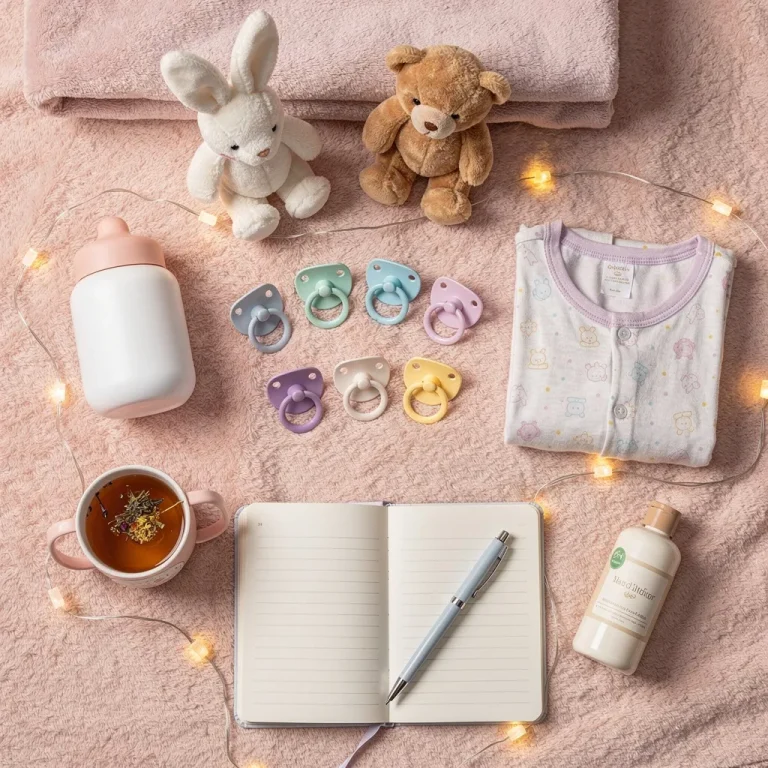
Adult Babies are people who enjoy slipping into a much younger headspace, sometimes called age regression or “little space.” This can involve nursery items, soft toys, bottles, pacifiers, onesies, and yes, often diapers. For many adult babies, the appeal is deeply emotional. It is about feeling safe, cared for, and free from adult pressures for a while. It is a form of stress relief and self-soothing that taps into the comfort of early childhood without involving any actual children. If you want to explore this more, our guide on what little space is walks through the experience in detail.
The “DL” part: Diaper Lovers
Diaper Lovers are people who enjoy wearing or using diapers but do not necessarily engage in any age regression at all. A diaper lover might wear diapers purely for the physical comfort, the sense of security, the texture, or simply because they enjoy it, while remaining fully in their adult mindset. Many diaper lovers have no interest in nursery items, baby roleplay, or being treated as younger. They just like diapers.
This is a key point that often gets lost in online discussions. You can be a diaper lover without ever regressing, and you can be an adult baby who regresses without being especially focused on diapers. ABDL holds space for that entire spectrum. For more on how this fits into a healthy life, see our article on what age regression really is.
What Does DDLG Actually Mean?
DDLG, short for Daddy Dom Little Girl, is one specific flavor of a broader category sometimes called Caregiver and Little (CG/l) dynamics. The defining feature of DDLG is the relationship between two consenting adults who each take on a role.
- The “Daddy Dom” is the caregiver figure. This person provides nurturing, structure, guidance, reassurance, and often gentle rules or routines.
- The “Little Girl” is the partner who embraces a younger, more playful, dependent headspace and is cared for within that structure.
DDLG is just one label in a family of similar dynamics. You may also see MDLB (Mommy Dom Little Boy), DDLB, MDLG, CGL, and other combinations. These all describe the same basic idea (a caregiver and a little) with different genders or roles. The important thing is that DDLG is relational. It is defined by how two people interact, not just by what one person feels or wears.
It is worth noting that for some people, DDLG dynamics include an adult intimate component within their private relationship, and for others it is entirely about emotional caregiving and comfort. Because our focus here is on the identity and the psychology, we will leave the private details to the couples themselves. The core of DDLG, in every case, is the nurturing connection between caregiver and little.
ABDL vs DDLG: The Key Differences Side by Side
Now that we have defined each, here is a clear breakdown of how abdl vs ddlg actually differ.
Identity vs Relationship
This is the biggest distinction. ABDL is something you can be entirely by yourself. You do not need a partner to be an adult baby or a diaper lover. DDLG, by contrast, requires a dynamic between two people. One person cannot be “doing DDLG” alone, because the whole concept rests on the caregiver and little relationship.
Focus on Diapers
Diapers are central to the ABDL identity (it is literally in the name). For DDLG, diapers may or may not be involved at all. Plenty of DDLG couples never use diapers and instead focus on routines, bedtimes, coloring, stuffed animals, and emotional care. The little partner in a DDLG dynamic may regress in age and mindset without any diaper element whatsoever.
Age Range of Regression
Adult babies in the ABDL community often regress to a very young, infant-like or toddler-like headspace. Littles in DDLG dynamics may regress to a slightly older “little kid” range, perhaps a small child who colors, watches cartoons, and uses simple words rather than a pre-verbal baby. Of course this varies enormously from person to person, and many people float across the whole range depending on their mood.
The Role of Authority and Structure
DDLG often includes a power or authority element. The “Dom” in Daddy Dom signals that the caregiver may set rules, offer structure, and hold a degree of gentle authority. ABDL does not inherently include any power dynamic. An adult baby might simply want to feel cozy and safe without anyone giving them rules. When ABDL and a caregiver relationship combine, then a power element can appear, but it is not built into ABDL by default.
Where Do ABDL and DDLG Overlap?
Here is where things get understandably blurry, because the two communities share a great deal. The overlap is real and significant.
- Both involve age regression and little space for many participants.
- Both value comfort items like pacifiers, onesies, soft toys, and blankets.
- Both center on emotional themes of safety, nurturing, and being cared for.
- Both are practiced by consenting adults and both are widely misunderstood by outsiders.
Many people happily identify with both labels at once. An adult baby who is in a loving relationship with a caregiver might describe themselves as ABDL when talking about their identity and as part of a DDLG (or CG/l) dynamic when describing their relationship. A diaper lover might also be a “little” within a caregiver relationship. The labels are tools, not cages. You are allowed to use whichever ones fit the moment.
Which One Am I? How to Figure Out Where You Fit
If you are reading this trying to pin down your own identity, that is a very healthy thing to do. Self-understanding reduces shame and helps you find the right community. Try asking yourself these questions.
- Do I enjoy diapers themselves, separate from any roleplay? If yes, the diaper lover side of ABDL probably resonates.
- Do I slip into a much younger headspace where I feel small, soothed, and free? That points toward age regression, which appears in both ABDL and DDLG.
- Is my experience centered on a relationship with a caregiver, with rules, routines, and nurturing structure? That sounds like a DDLG or CG/l dynamic.
- Can I experience my interest entirely on my own, no partner required? That leans toward the ABDL identity model.
Remember that you do not have to choose just one label, and you do not have to label yourself at all if you would rather not. Some people find a single word that fits like a glove, and others prefer to simply describe what they enjoy in plain language. Both approaches are perfectly valid. What matters is that you understand yourself with kindness rather than confusion or self-criticism.
Are ABDL and DDLG Normal and Healthy?
Yes. Both ABDL and DDLG are practiced by ordinary, mentally healthy adults who lead full, responsible lives. These interests are not signs of immaturity, dysfunction, or anything being “wrong” with you. For many people, age regression and caregiver dynamics are powerful tools for emotional regulation, stress relief, and feeling genuinely cared for in a world that often demands constant adult performance.
Research and clinical experience increasingly recognize that regression-based interests can serve a soothing, restorative function, similar to how anyone might unwind with comfort food, nostalgic shows, or a cozy weighted blanket. The difference is one of intensity and form, not of being broken. If you struggle with feelings of embarrassment around your interests, our article on overcoming ABDL shame and guilt may help, and you can also read more about why being ABDL is normal.
What makes any version of these interests healthy comes down to a few simple things: everyone involved is a consenting adult, the activities are safe, they do not harm your relationships or responsibilities, and they bring you comfort rather than distress. If you ever feel stuck, ashamed, or unsure how to integrate these parts of yourself, talking with an informed, kink-aware professional can make an enormous difference. Our ABDL-friendly counselors understand these dynamics and will never judge you for them.
Frequently Asked Questions
Can you be both ABDL and DDLG at the same time?
Absolutely. Many people identify as ABDL for their personal identity (the diapers, the regression, the comfort) while also being part of a DDLG or caregiver and little relationship. The two are not mutually exclusive. ABDL describes who you are and what you enjoy, while DDLG describes the dynamic you share with a partner. They fit together comfortably.
Does DDLG always involve diapers?
No. Diapers are common in ABDL but optional in DDLG. Many DDLG dynamics focus entirely on emotional caregiving, routines, playtime, and nurturing without any diaper element at all. The little partner may regress to an older child mindset where diapers simply are not part of the picture.
Is ABDL or DDLG always a sexual thing?
Not necessarily. For a great many people, ABDL is entirely about comfort, stress relief, and emotional safety with no intimate component whatsoever. DDLG, depending on the couple, may include an adult intimate element in private or may be purely about nurturing and care. The emotional and psychological side is often the heart of the experience for both.
Which is more common, ABDL or DDLG?
Both communities are large and active online, and they overlap heavily, so it is hard to give exact numbers. ABDL, as a broad umbrella term, tends to encompass more people because it includes diaper lovers who do not regress at all. DDLG is a more specific relationship label. In practice, the communities mix and support one another constantly.
Whether you see yourself in ABDL, DDLG, both, or somewhere in between, the most important thing to know is this: there is nothing wrong with you, and you are not alone. These labels exist to help you understand and express something real and human about yourself. Take what fits, leave what does not, and give yourself permission to embrace this part of who you are with warmth and self-compassion.
Talk to Someone Who Understands
You do not have to figure any of this out alone. The counselors at ABDL Therapy have personal or family experience with this community, and there is no judgment, only support to help you embrace, understand, and live your best life.
Call (888) 771-2235
Available 24/7. Sessions from $22. Completely confidential.