
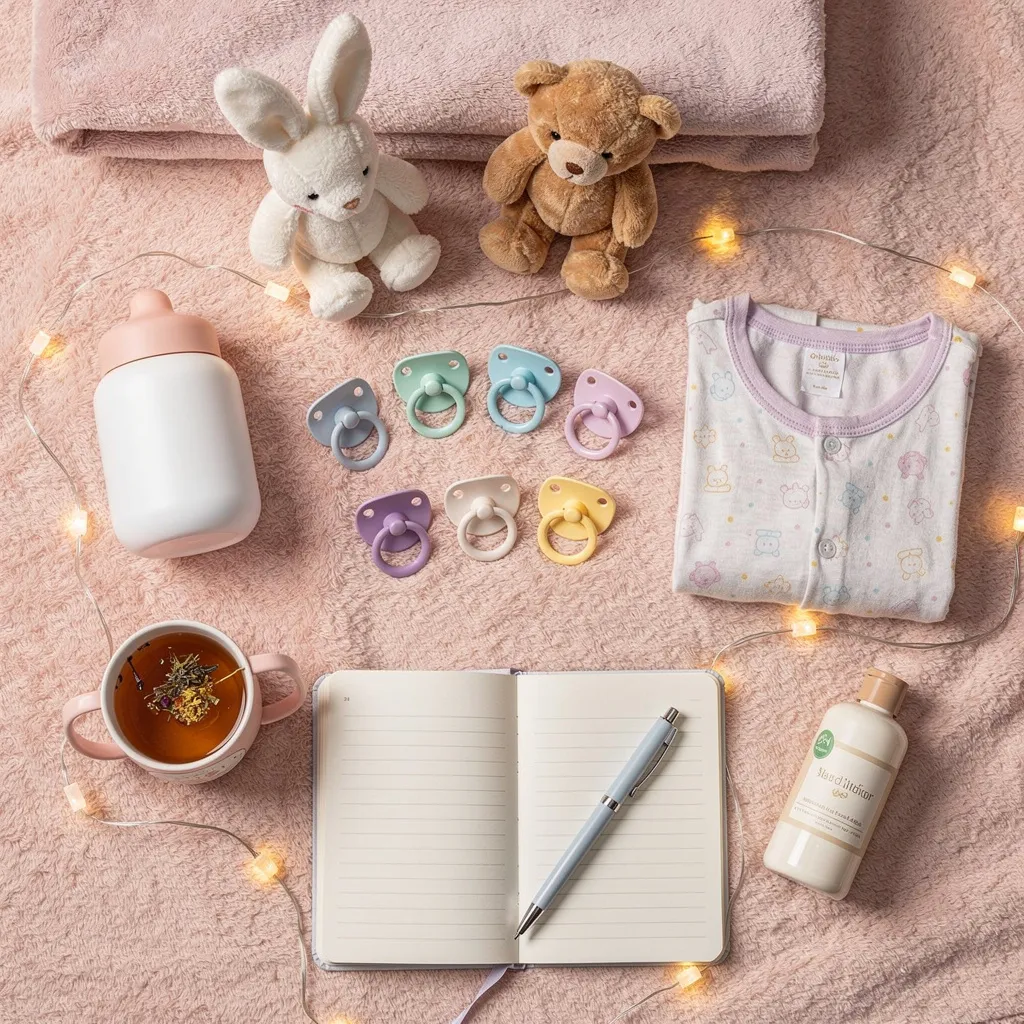
The Complete Guide to Self Care and Comfort for ABDL Adults
Self Care Is Not Selfish, Especially for ABDL Adults
If you are an Adult Baby, a Diaper Lover, or someone who finds comfort in regression, age play, or diaper wearing, you already know that your needs do not always fit neatly into mainstream self care advice. Magazine articles about bubble baths and face masks are fine, but they do not address the unique emotional, physical, and psychological needs of ABDL adults. This guide does. Consider this your complete, practical, no shame manual for ABDL self care, written by people who actually understand what that means.
Taking care of yourself as an ABDL adult is not indulgent. It is necessary. The comfort you find in your blankets, your routines, your safe space is your body and mind telling you exactly what they need. Listen to them. They have been waiting.
Self care for ABDL adults is about creating a life where your identity is not something you fight against, but something that nourishes you. It is about building routines, spaces, and practices that honor all of who you are, including the part that needs diapers, comfort items, and maybe a pacifier. If that sounds radical, it is only because nobody has told you before that you are allowed to take care of yourself this way. You are. And we are going to show you how.
Creating a Safe Space at Home
Every ABDL adult deserves a space where they can fully be themselves. This does not require a dedicated nursery (though if you have the space and resources, go for it). It can be as simple as a corner of your bedroom, a specific drawer, or a closet that is entirely yours.
The Essentials of an ABDL Safe Space
Soft lighting is important. Harsh overhead lights do not promote relaxation or regression. Think warm string lights, a salt lamp, or a dimmable bedside lamp. Soft textures matter too: a plush blanket, a body pillow, or a stuffed animal can transform an ordinary space into a sanctuary. If diapers are part of your practice, have a clean, organized supply readily accessible. Nothing kills the comfort of diaper wearing faster than scrambling to find supplies in a cluttered closet.
Consider the sensory experience of your space. What sounds help you relax? Some Adult Babies find that soft music, white noise, or nature sounds enhance their regression time. What about scent? Baby powder, lavender, vanilla, or clean cotton scents can create powerful comfort associations. Build your space with intention, and it will serve you well.
If You Share Your Living Space
If you live with a partner, roommate, or family member, your safe space might need to be more portable. A dedicated bag or box with your comfort items that you can pull out when you have privacy is a practical alternative. Some people use a specific blanket or pillow as their “signal” to themselves that it is time to shift into self care mode. The key is having something consistent and reliable, a ritual object or space that tells your nervous system: you are safe now, you can relax.
Comfort Items and Why They Matter
Let us talk about comfort items without euphemism or embarrassment. For many Adult Babies and Diaper Lovers, specific objects hold deep emotional significance. A pacifier. A favorite stuffed animal. A particular blanket. A onesie. A bottle. These are not childish indulgences. They are tools for emotional regulation, and the science supports this.
Transitional objects (a term from psychology) help humans of all ages manage anxiety, loneliness, and stress. Children use teddy bears. Adults use worry stones, fidget tools, weighted blankets, and yes, pacifiers and comfort items associated with regression. The mechanism is the same: the object provides a sensory anchor that helps your nervous system shift from a stressed state to a calm one.
Choosing Your Comfort Items
There is no right or wrong choice here. Some ABDL adults prefer items that are explicitly “little” (baby bottles, footed pajamas, rattles). Others prefer items that are more subtle (a very soft blanket, a particular lotion, a comfort food). Some Diaper Lovers find that the diaper itself is the primary comfort item, and nothing else is needed. Follow what feels right for you, not what you think you “should” want based on what you see in online ABDL community spaces. Your self care practice is yours alone.
Building a Regression Routine
One of the most powerful things you can do for your ABDL self care is to build a consistent regression routine. This means setting aside regular, protected time for age play, diaper wearing, or whatever form your regression takes.
Why Routine Matters
When regression is sporadic and unplanned, it often gets tangled up with stress, desperation, or shame. You reach for it only when you are overwhelmed, which means it becomes associated with crisis rather than comfort. A regular routine normalizes your ABDL practice. It becomes something you do, not something that happens to you. Our counselors frequently help clients design regression routines that fit their schedules and living situations.
Sample Routine Elements
A regression routine might look like this: Friday evenings after work, you take a warm shower. You put on a fresh diaper and comfortable clothes. You make yourself a warm drink (in a bottle or a mug, whichever feels right). You settle into your safe space with your comfort items. You watch something soothing, color in a coloring book, listen to calming music, or simply rest. You allow yourself to feel little for as long as feels good. When you are ready, you gently transition back to your adult headspace.
The specifics do not matter nearly as much as the consistency. Having a routine means you are not constantly negotiating with yourself about whether you “deserve” to practice your ABDL self care. The answer is always yes, and the time is already set.
Managing Stress Through ABDL Practices
Many Adult Babies and Diaper Lovers report that their ABDL practices are among the most effective stress management tools they have ever used. And this makes complete physiological sense. Regression activates the parasympathetic nervous system. Wearing a diaper can create a feeling of security and containment. Sucking a pacifier is a natural self soothing behavior. Being held, rocked, or cared for by a partner releases oxytocin.
If you have been treating your ABDL practices as guilty pleasures, consider reframing them as legitimate stress management. You would not feel guilty about using a weighted blanket or taking a hot bath. Diaper wearing and age play serve the same neurological function for many people. They bring your body out of fight or flight and into rest and digest. That is not weird. That is biology.
The Is This Normal? page on our site goes deeper into why these practices are more common and more healthy than most people realize.
Physical Self Care for Diaper Wearers
If you wear diapers regularly, whether for ABDL reasons, for incontinence, or both, physical self care is essential. Your skin needs attention and protection.
Skin Care Basics
Moisture is the enemy of healthy skin in the diaper area. Use a high quality diaper cream or barrier cream to protect against irritation. Change regularly; do not extend wear time beyond what is comfortable for your skin. After removing a diaper, clean the area thoroughly with gentle, fragrance free wipes or a warm washcloth, and let your skin air dry before applying cream or putting on a new diaper.
Comfort Products Worth Investing In
Not all diapers are created equal. If you wear frequently, invest in high quality products that fit well, absorb effectively, and feel comfortable against your skin. Many ABDL community members share product recommendations in forums and groups. Proper fit prevents leaks and reduces skin irritation. Consider trying several brands to find what works best for your body type and activity level.
Baby powder (cornstarch based, not talc) can help keep the diaper area dry and comfortable. Some people also find that a warm diaper wipe before a fresh diaper feels nurturing and is part of their self care ritual.
Emotional Self Care Practices
Journaling
Writing about your ABDL feelings, experiences, and desires can be incredibly therapeutic. You do not have to show it to anyone. The act of putting words on paper (or screen) helps you process emotions, track patterns, and build self understanding. Some people journal in their adult headspace about their regression experiences. Others journal as their little self, using simpler language and even crayons or colored pencils. Both approaches have value.
Counseling
Regular phone sessions with an ABDL informed counselor provide a consistent space to explore your feelings, work through challenges, and celebrate growth. Our counseling services are designed specifically for Adult Babies, Diaper Lovers, and people navigating incontinence, diaper fetish, and age play. Having a professional who understands your world and speaks your language is a form of self care that pays dividends across every area of your life.
Community Connection
The ABDL community is one of the most supportive online communities in existence. Whether you engage in forums, social media groups, Discord servers, or local meetups, connecting with others who share your experiences reduces isolation and reinforces the truth that you are not alone. Community connection is especially important for people who are not out to anyone in their offline life. Knowing that others understand exactly what you are feeling is deeply healing.
Setting Boundaries Around Your ABDL Self Care
Self care only works if you protect it. That means setting boundaries. With your time (your regression routine is not optional; it is maintenance). With your relationships (a partner who mocks or shames your ABDL identity is crossing a line). With yourself (the inner critic that tells you to stop being “weird” does not get the final word).
Boundaries also means knowing your limits. If ABDL practices are consuming your life, interfering with work or relationships, or being used to avoid dealing with real problems, that is worth examining with a counselor. Self care and escapism are different things, and an experienced ABDL therapist can help you find the healthy balance.
Integrating ABDL Self Care Into a Full Adult Life
The goal is not to live in regression 24/7 (unless that is genuinely what you want and it works for you). The goal is to integrate your ABDL self care into a balanced, healthy adult life where all parts of you get to exist. Where you can be a competent professional during the day and a comfortable Diaper Lover at night. Where you can parent your children, manage your finances, maintain your friendships, and also curl up with a pacifier when you need to recharge.
This integration is what our counselors help people achieve every day. It is entirely possible. It is what countless ABDL adults are already doing. And it can be your reality too.
You Deserve Comfort
You deserve to feel safe. You deserve routines that nourish you. You deserve comfort items that bring you peace. You deserve a space where you can be fully yourself without apology. Whether you are an Adult Baby, a Diaper Lover, someone managing incontinence, someone with a diaper fetish, or someone who simply finds that age play and regression make your life better, you deserve care. Real, intentional, unapologetic care.
Call (888) 771 2235 to talk with someone who understands. Visit our Services page to learn about phone counseling options. And remember: taking care of yourself is not selfish. It is essential.
There is nothing you cannot say
If you have a question you would be too embarrassed to type into a search engine, you can simply ask it out loud.
Click to talk to a counselor(888) 771-2235Sessions from $22. See all session lengths